

The career options after PG diploma in fashion designing go beyond becoming a fashion designer. Students may develop interests in styling, merchandising, illustration, garment technology, textiles, consulting, content or entrepreneurship.
Choose according to your skills, interests, portfolio and practical experience.
What Can You Do After a PG Diploma in Fashion Designing?
Possible jobs after PG diploma in fashion designing include:
- Fashion Designer
- Fashion Stylist
- Fashion Merchandiser
- Fashion Illustrator
- Fashion Consultant
- Garment or Fashion Technologist
- Textile Designer
- Fashion Coordinator
- Fashion Journalist or Content Creator
- Trend Researcher
- Fashion Entrepreneur
A qualification alone does not guarantee these roles. Portfolios, skills and experience also matter.
1. Fashion Designer
Fashion designers develop clothing concepts and collections. Their work can involve research, mood boards, illustration, silhouettes, colours, fabrics, garment details, fittings and collection development.
Important skills include:
- Fashion illustration
- Textiles
- Pattern making and garment construction
- Draping
- Trend research
- CAD
- Portfolio presentation
Among the main fashion designer career options, this suits creative students interested in garment development.
2. Fashion Stylist
A fashion stylist career focuses on creating complete looks for shoots, advertising, personal styling, editorial projects, social media, events and lookbooks.
Stylists coordinate garments with accessories, footwear, hair, makeup and the visual concept. Students should build a portfolio containing actual styled looks rather than only listing styling as a skill.
3. Fashion Merchandiser
A fashion merchandising career combines fashion knowledge with business thinking.
Merchandisers may work with:
- Product and collection planning
- Trend and market research
- Design-team coordination
- Pricing awareness
- Retail planning
- Stock and promotional decisions
This role can suit graduates who enjoy products, planning, customer behaviour and commercial decisions.
4. Fashion Illustrator
Fashion illustrators create hand-drawn or digital visuals of garments, collections and concepts.
Illustrators should understand silhouette, proportions, folds, fabrics, details, colour and styling. Freelance work requires a focused portfolio showing clear visual communication.
5. Fashion Consultant
A fashion consultant career may involve advising individuals, brands, boutiques or retailers about clothing, styling, presentation or fashion products.
Consultants need strong fashion knowledge, communication and the ability to understand a client’s requirements before suggesting solutions.
6. Garment or Fashion Technologist
Garment and fashion technologists focus on how clothing is developed and produced. Their work may involve measurements, fit, samples, technical specifications, fabrics, construction, manufacturing and quality.
This suits students who enjoy technical problem-solving, patterns and production.
7. Fashion Entrepreneurship
Fashion design entrepreneurship may lead to a label, boutique, styling business, custom studio or online fashion brand.
Running a business requires more than design ability. Students must understand:
- Target customers
- Product ranges
- Sourcing and manufacturing
- Costing and pricing
- Inventory
- Marketing and sales
- Finance and customer service
Students interested in entrepreneurship should take merchandising and business learning seriously.
Choosing the Right Fashion Career
Your preferred work can help identify the right career after fashion designing course:
What you enjoy | Career direction |
Creating garments | Fashion Design |
Constructing and correcting garments | Garment Technology |
Building complete looks | Fashion Styling |
Fashion and business | Merchandising |
Drawing and digital visuals | Fashion Illustration |
Fabrics and surface development | Textile Design |
Advising people or brands | Fashion Consulting |
Building your own label | Entrepreneurship |
Your favourite subjects and internship experiences can provide useful clues.
How PG Diploma Subjects Connect With Careers
Subject or skill | Career relevance |
Fashion Illustration | Designer, Illustrator |
Textile Science | Designer, Textile roles |
Pattern Making | Designer, Garment Technologist |
Garment Construction | Design and technical roles |
Styling and Photography | Stylist, Consultant |
Merchandising | Fashion Merchandiser |
CAD | Design and technical roles |
Portfolio | Creative job applications |
Internship | Practical industry exposure |
This range helps students understand their PG diploma fashion designing career possibilities before specialising.
Why Your Portfolio Matters
When applying for jobs after postgraduate fashion design, your qualification shows what you studied, but your portfolio shows what you can do.
It may include:
- Illustrations and mood boards
- Collection development
- Textile work
- Patterns and construction
- Draping and garments
- CAD
- Styling and photography
Choose projects that match the role. A design portfolio should highlight garment development, while styling, illustration and technical portfolios should prioritise relevant work.
Why Internship Experience Matters
Internships provide exposure to communication, deadlines, fittings, sampling, sourcing, production, clients and teamwork.
Students may enter an internship interested in one field and discover a stronger ability in another. ISFT includes Craft Study & Internship in Semester 2 of its postgraduate fashion programme.
Can Graduates From Other Fields Enter Fashion?
Yes, depending on the programme. Students planning a fashion career after graduation may come from Commerce, Arts, Science or other disciplines.
ISFT accepts graduates from any recognised discipline for its Post Graduate Diploma in Fashion Design & Technology. Students changing fields must build fashion-specific skills in illustration, textiles, construction, styling, CAD, merchandising and portfolio development.
Explore Postgraduate Fashion Design at ISFT
Graduates can explore ISFT’s Post Graduate Diploma in Fashion Design & Technology.
The curriculum combines illustration, textiles, construction, styling, merchandising, CAD, portfolio development and internship exposure. Students should check the latest eligibility, duration, fees and admission details before applying.
Final Thoughts
The career options after PG diploma in fashion designing include design, styling, merchandising, illustration, consulting, technology, textiles, content and entrepreneurship.
Choose according to the work you enjoy, build a focused portfolio and use internships to understand where your skills fit within the industry.
FAQs
What jobs can I explore after a PG diploma?
Possible areas include fashion design, styling, merchandising, illustration, consulting, garment technology, textiles, coordination and entrepreneurship.
Can I become a fashion designer?
Yes, but opportunities also depend on your portfolio, practical skills and experience.
Is fashion merchandising a good career?
It can suit students interested in both fashion and business planning.
Can I start my own fashion brand?
Yes, but you will also need knowledge of sourcing, production, pricing, marketing and customer management.
Is a portfolio necessary?
It is highly useful because it shows employers or clients evidence of your practical ability.
Can graduates from another stream study fashion?
Yes. ISFT accepts graduates from any recognised discipline for its postgraduate fashion programme.
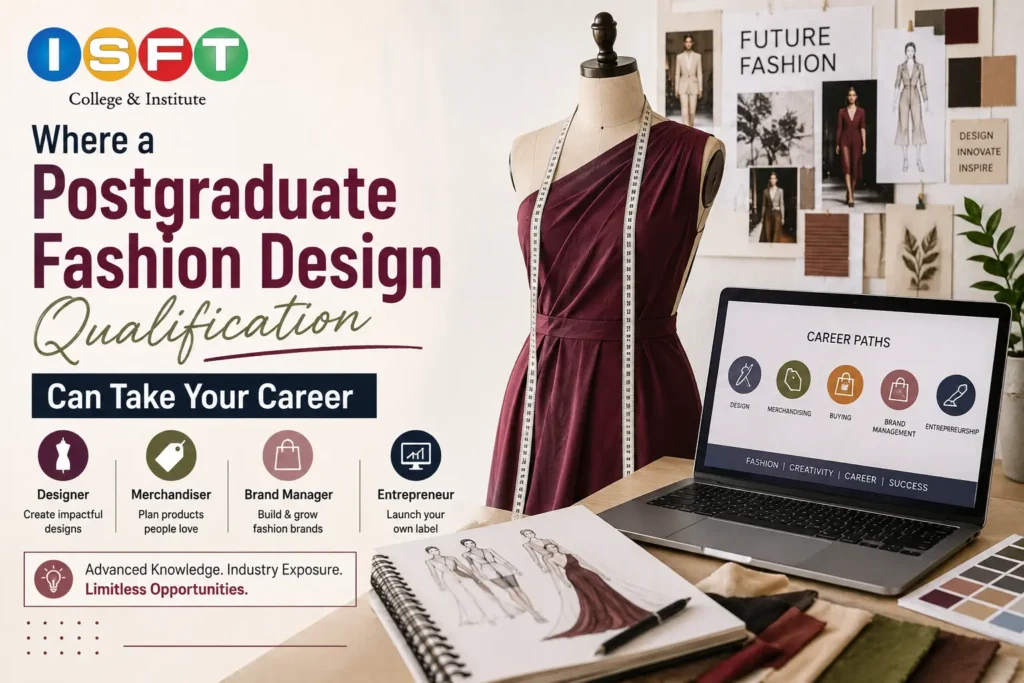
Table Of Content
